


Building a Collector-First Marketplace for the Modern Collectibles Economy.
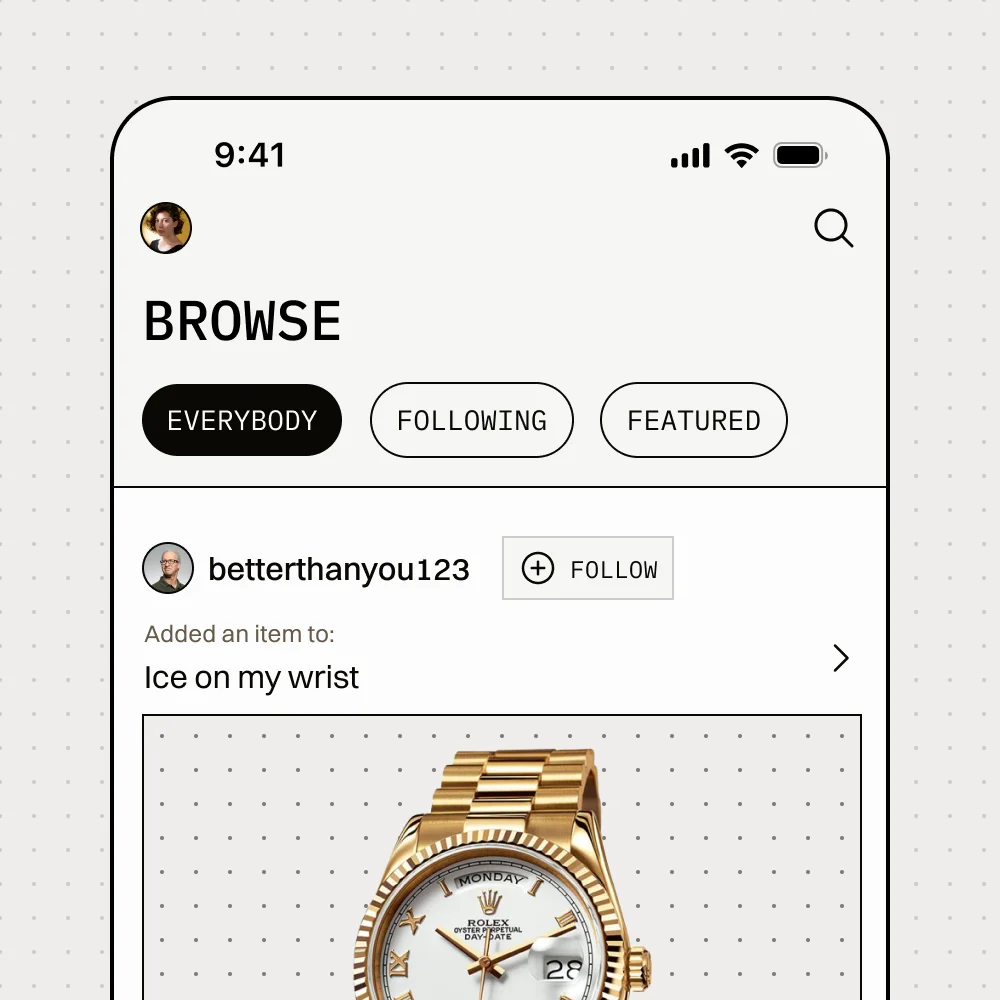
Trofi is a collectibles marketplace and community platform built for serious collectors, resellers, and enthusiast newcomers. By giving collectors a dedicated place to showcase collections, connect with peers, and transact with confidence, Trofi replaces fragmented tools and high-fee auction houses with a collector-first ecosystem that treats collections as both cultural assets and social capital.
The Challenge
Trofi entered a crowded and fragmented collectibles landscape where no single platform served collectors end-to-end. Existing solutions forced an uncomfortable tradeoff. Traditional auction houses and marketplaces provided liquidity but imposed high fees, rigid formats, and limited control. Social platforms offered visibility and community, but lacked trust, structure, and transactional rigor. As a result, collectors were piecing together workflows across Instagram, direct messages, spreadsheets, auction catalogs, and third-party payment tools. This fragmentation created friction, increased risk, and consistently eroded value for both buyers and sellers.
The challenge deepened when accounting for Trofi’s diverse target audience. High-value collectors needed discretion, security, and sophisticated collection management. Resellers required speed, liquidity, and signaling within fast-moving markets. Newer enthusiasts wanted education, confidence, and low-risk participation. Designing a product that could serve all three groups without alienating any one of them demanded clarity in positioning, ruthless prioritization, and a thoughtful approach to trust and incentives. Over-optimizing for hype behavior or under-serving credibility could undermine the entire ecosystem.
Trofi chose Goji Labs because this was not simply a UI or marketplace build. They needed a strategic partner to pressure-test their vision, define a viable wedge into the market, and translate an ambitious idea into a focused MVP. The real problem was not a lack of tools, but misaligned incentives and loss of collector control. Goji was brought in to help Trofi articulate that underlying problem and design a product foundation capable of challenging incumbents while remaining scalable and defensible.
Our Process
We approached Trofi as a strategy-first partnership, anchored in the belief that clarity must precede scope. Rather than jumping directly into feature design, we worked closely with the Trofi team to align on the core business problem, validate assumptions about collector behavior, and define what needed to exist for the platform to deliver real value on day one. Through collaborative workshops and UX research, we mapped user types, motivations, and critical moments across the ecosystem to ensure the MVP supported trust, engagement, and monetization without diluting focus.
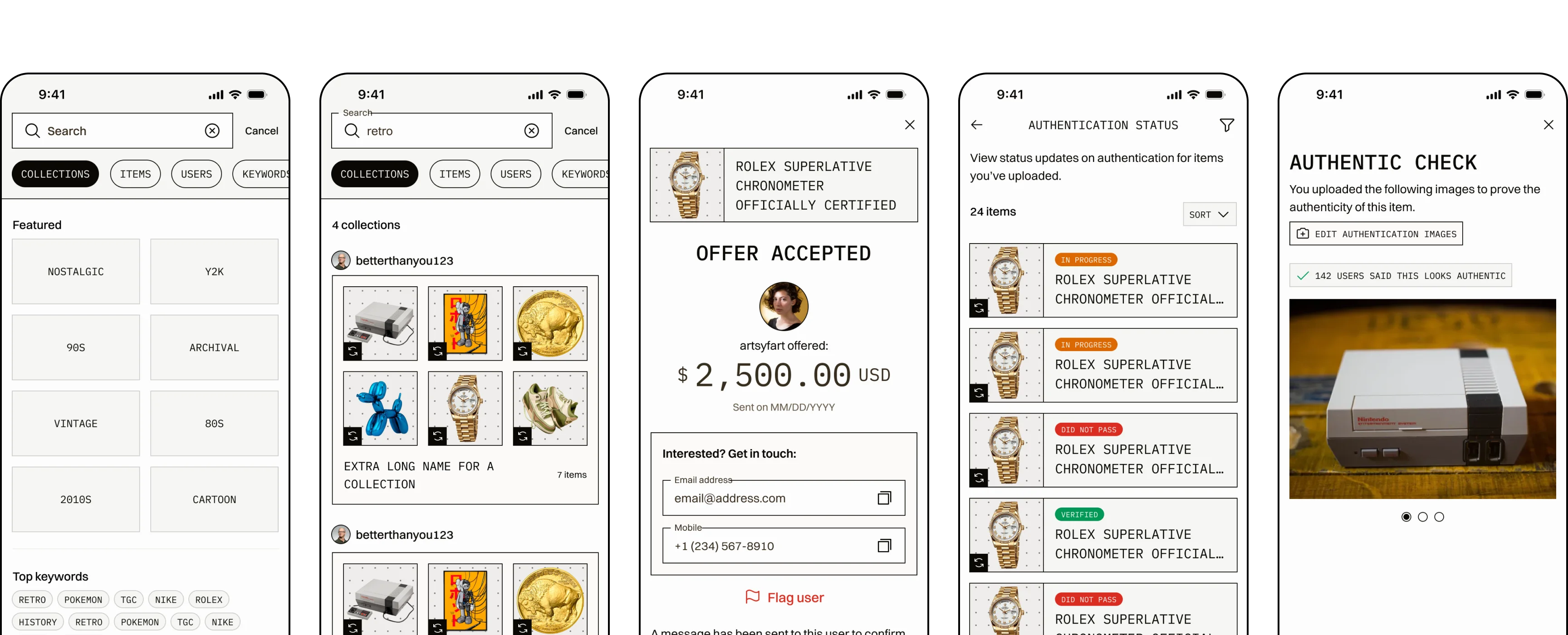
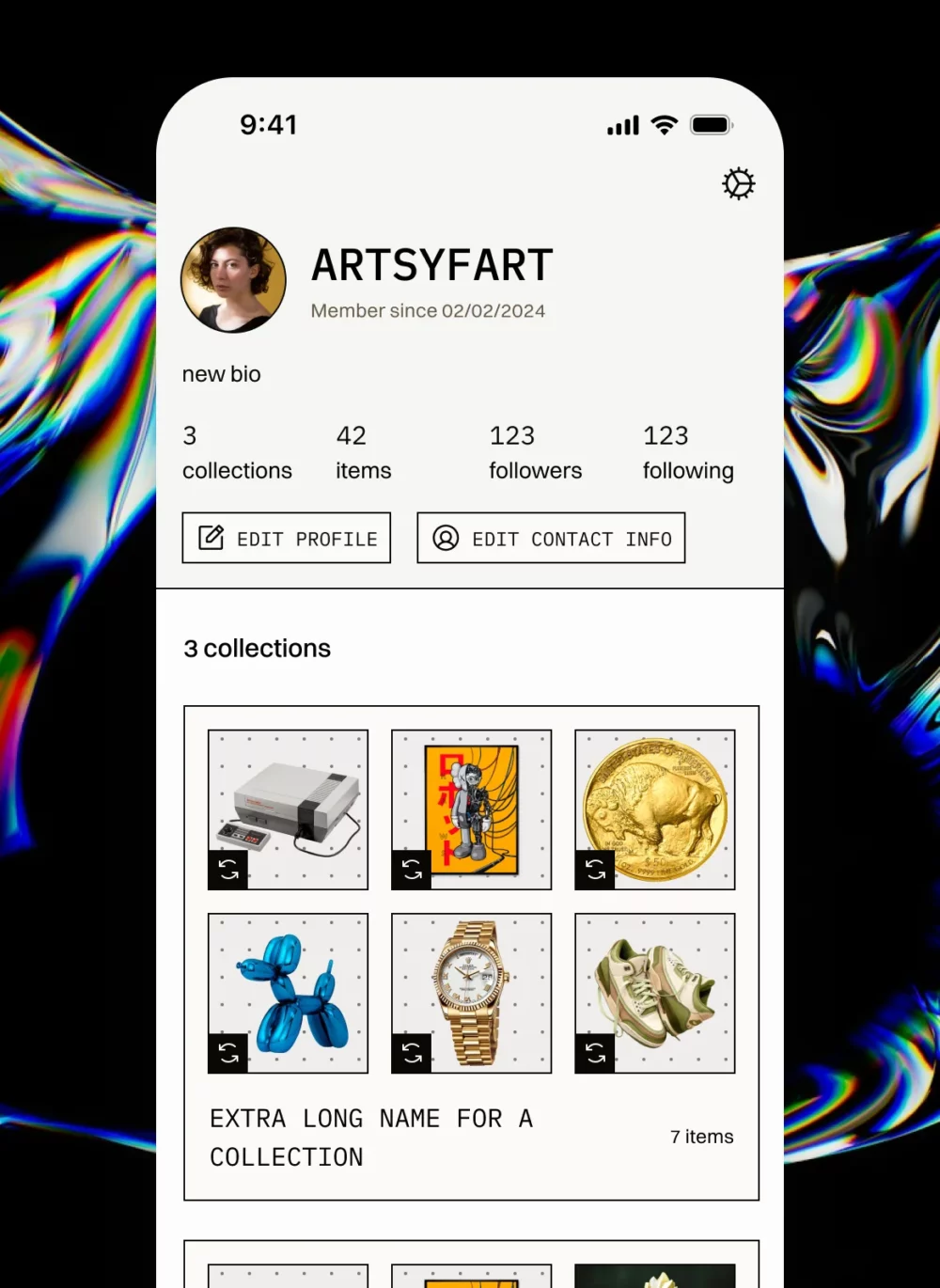
From there, we translated strategy into a buildable roadmap grounded in product-market fit. Features were evaluated against real collector behaviors and incentives, including what would attract high-value collections, what would drive repeat engagement, and what would create defensible differentiation in a competitive market. This allowed us to prioritize foundational capabilities such as collection showcasing, ownership transfer, and off-platform sharing, while intentionally deferring ideas that added complexity without immediate business value.
In parallel, we supported Trofi beyond the core product experience. Our team conducted technical research into 3D object scanning and visualization, producing a working proof of concept that integrated 3D-scanned collectibles directly into the prototype. This demonstrated how immersive item representation could increase trust, elevate presentation quality, and reduce buyer uncertainty. We also designed Trofi’s marketing website and helped shape a targeted launch strategy centered on a pioneer program, aligning product, technology, and go-to-market efforts into a cohesive plan designed to attract the right early users.
The Impact
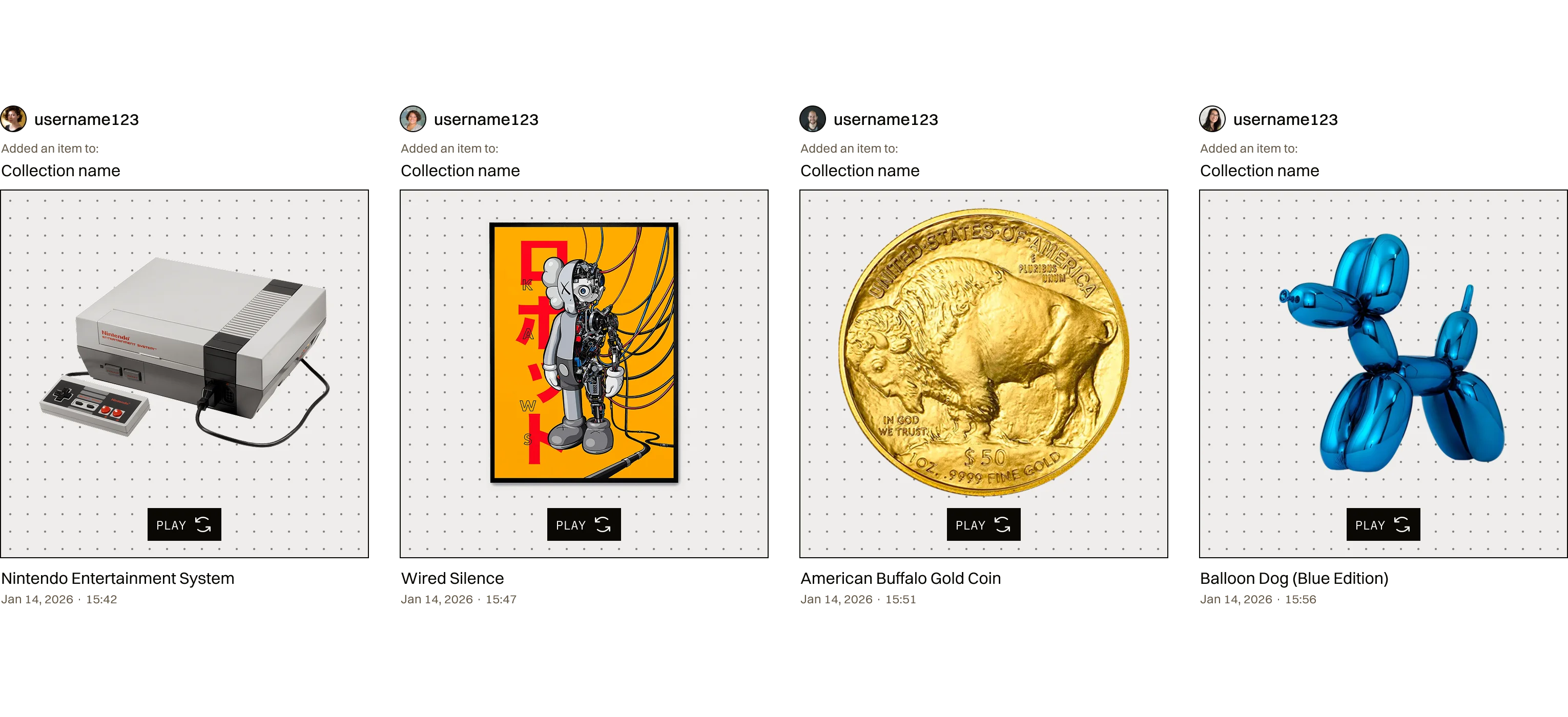
The work with Trofi established a strong foundation by aligning product strategy, technology, and launch execution around collector-driven behaviors. The platform is designed to encourage habitual engagement through collection interaction, item additions, and social discovery, signaling that Trofi can become a daily destination rather than a passive marketplace. As adoption grows, success is expected to be reflected in metrics such as repeat visits, collection views, and depth of interaction across the community.
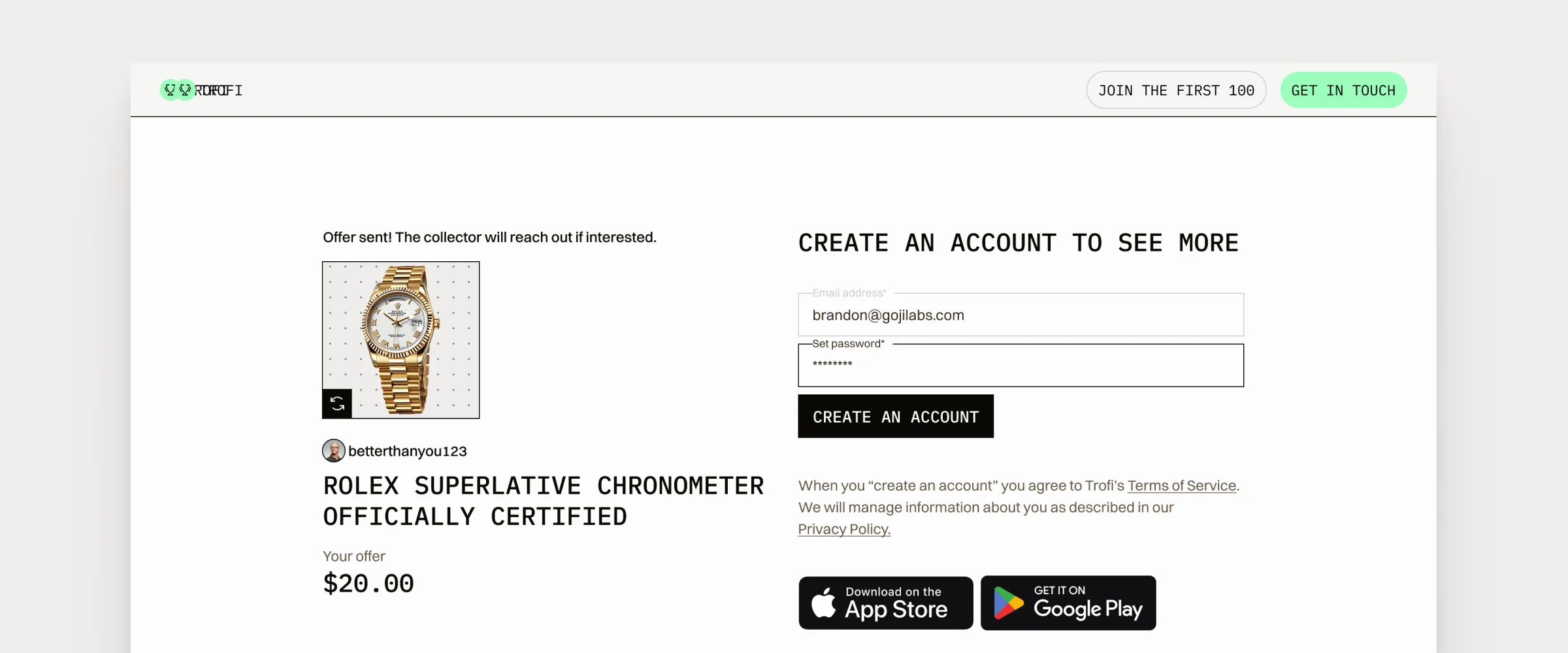
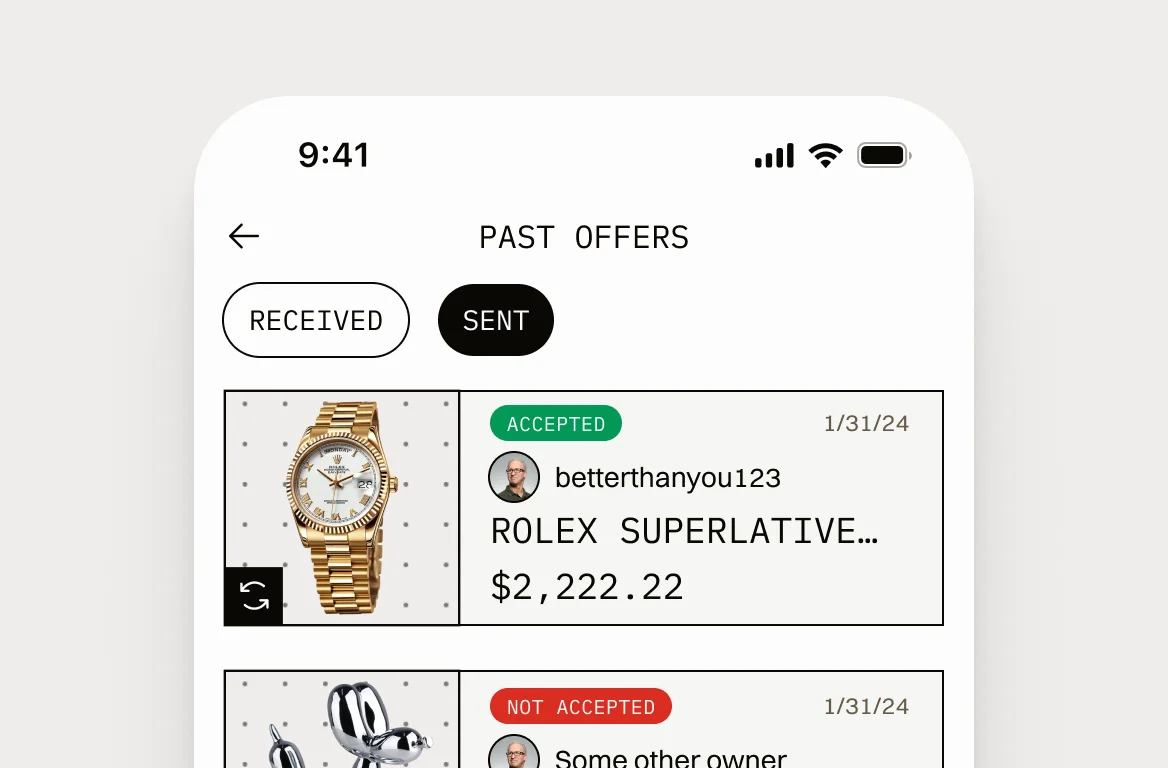
From a marketplace perspective, Trofi is positioned to enable smoother, more trusted exchanges between collectors. Clear ownership presentation, streamlined offer flows, and rich collection context support higher-quality interactions and greater confidence among users. This foundation encourages consistent participation from high-value collectors, whose presence elevates the credibility and desirability of the entire ecosystem.
Beyond the product itself, Trofi is set up to scale thoughtfully through its marketing site, pioneer program, and targeted acquisition strategy. These efforts are designed to seed the platform with credible collections, promote organic discovery through sharing, and build early community momentum. Together, the product and launch strategy create a system capable of sustained growth, deeper engagement, and long-term evolution as collector needs continue to expand.
- Established a clear product-market fit strategy that unified community, trust, and commerce into a single collector-first platform
- Designed a scalable foundation for repeat engagement through collection interaction, social discovery, and ownership visibility
- Reduced friction and risk in collector workflows by consolidating fragmented tools into one cohesive experience
- Positioned Trofi for sustainable growth with a focused MVP, targeted pioneer program, and aligned go-to-market strategy
Project Review
Trofi Team
“Goji Labs helped us bring clarity to a complex vision. They didn’t just design a product — they challenged our assumptions, aligned the strategy, and helped us build a focused foundation we could actually scale.”